Multi-agent cognitive pipelines designed to maintain semantic history and persistent context loops across disjointed API sessions using vector DBs and local models.
A deep breakdown of custom features, protocols, and mechanisms.
Allows stateful serialization of agent memory pools, allowing seamless context handoffs across separate API queries.
Combines fast vector embedding searches with graph-structured mappings to associate topics, entities, and long-term history.
Secure design routing complex reasoning tasks to cloud pipelines while preserving private user profiles on local hardware shards.
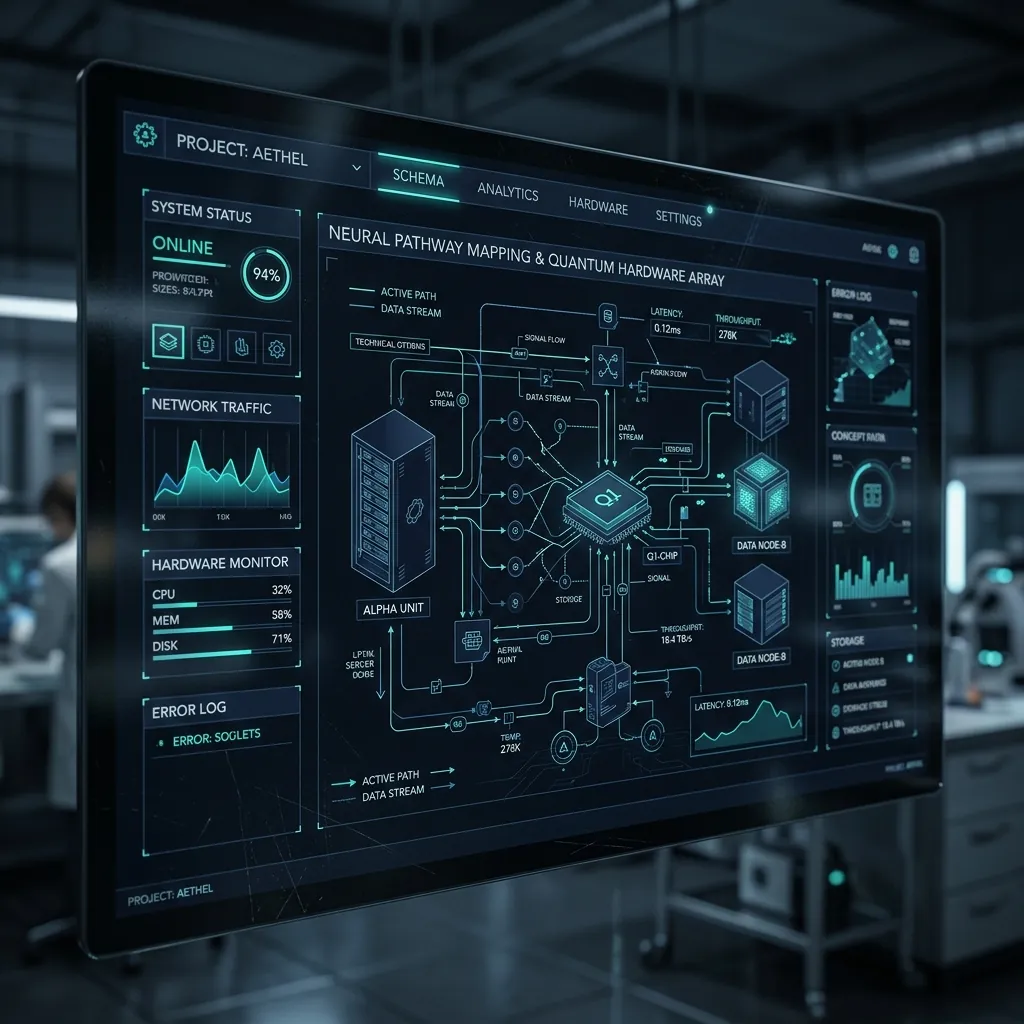
The AI Memory Bridge establishes the core protocols necessary for autonomous agent collaboration. By maintaining a shared, synchronized context schema, multiple specialized subagents can work together without losing task context.
In complex workflows, a single agent model can suffer from context window dilution or token fatigue. The Memory Bridge resolves this by dividing tasks among a network of specialized agents communicating via a shared P2P channel.
Agents sync their execution states using a light-weight JSON schema. Instead of passing massive raw text logs, they transmit compressed semantic updates, minimizing latency and maximizing bandwidth efficiency.
When handoffs occur between coding, testing, and deployment agents, vital details can be lost, causing tasks to fail. The Bridge solves this with a **Semantic Mapping Cache**.
By maintaining a shared vector index, any subagent can immediately query the global project state, access recent command histories, or reference files without needing to parse the full chat history, guaranteeing seamless handoffs.